
The right antifouling for your boat
Simple, clear and tailored
The right coating depends on your boat, waters, speed, substrate and existing paint system. Our configurator guides you through the relevant details in seven clear steps.
You receive a suitable product and primer recommendation, a calculated paint quantity, and practical guidance on preparation and number of coats. No personal data is required.
Our team is available if anything remains unclear.
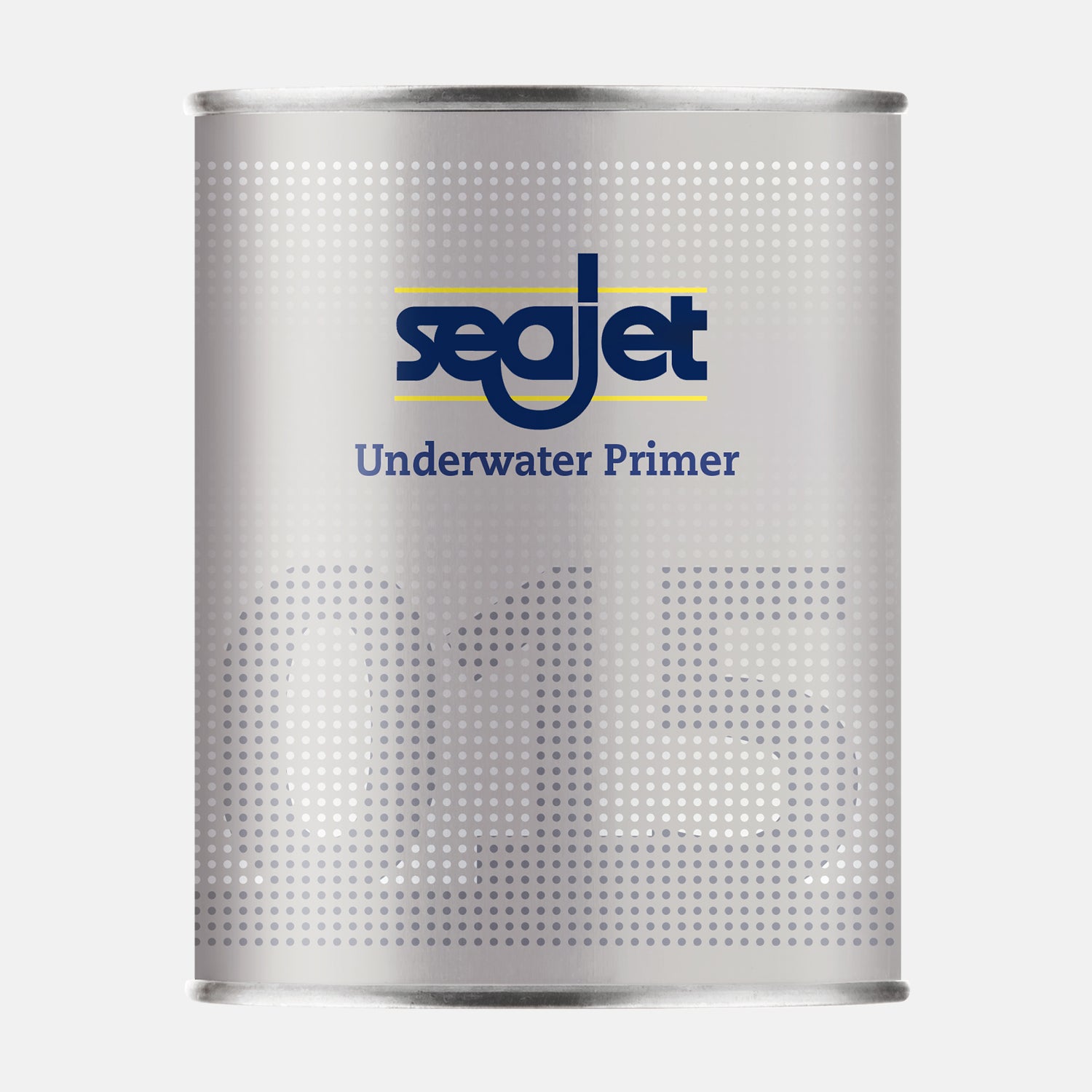
Our range
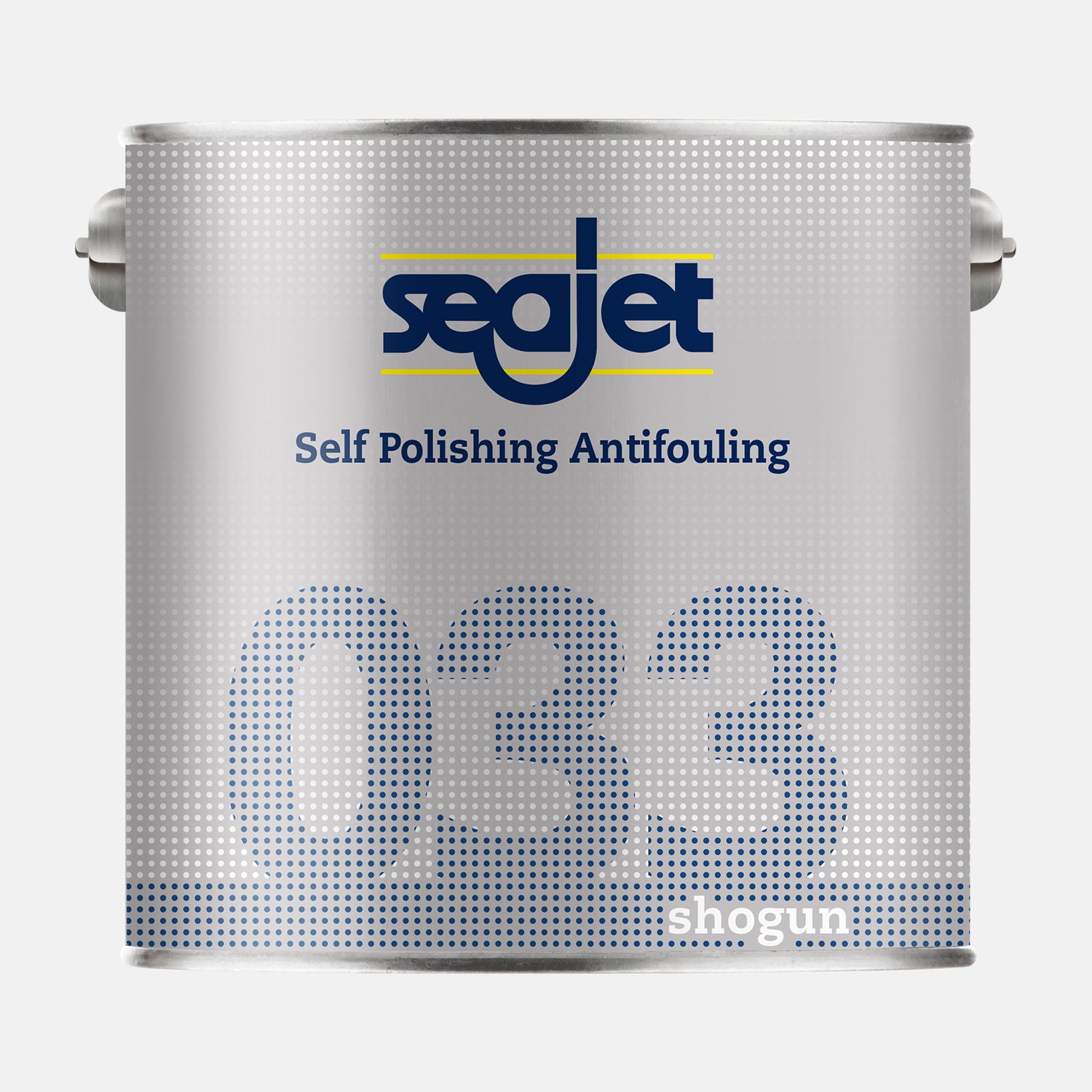
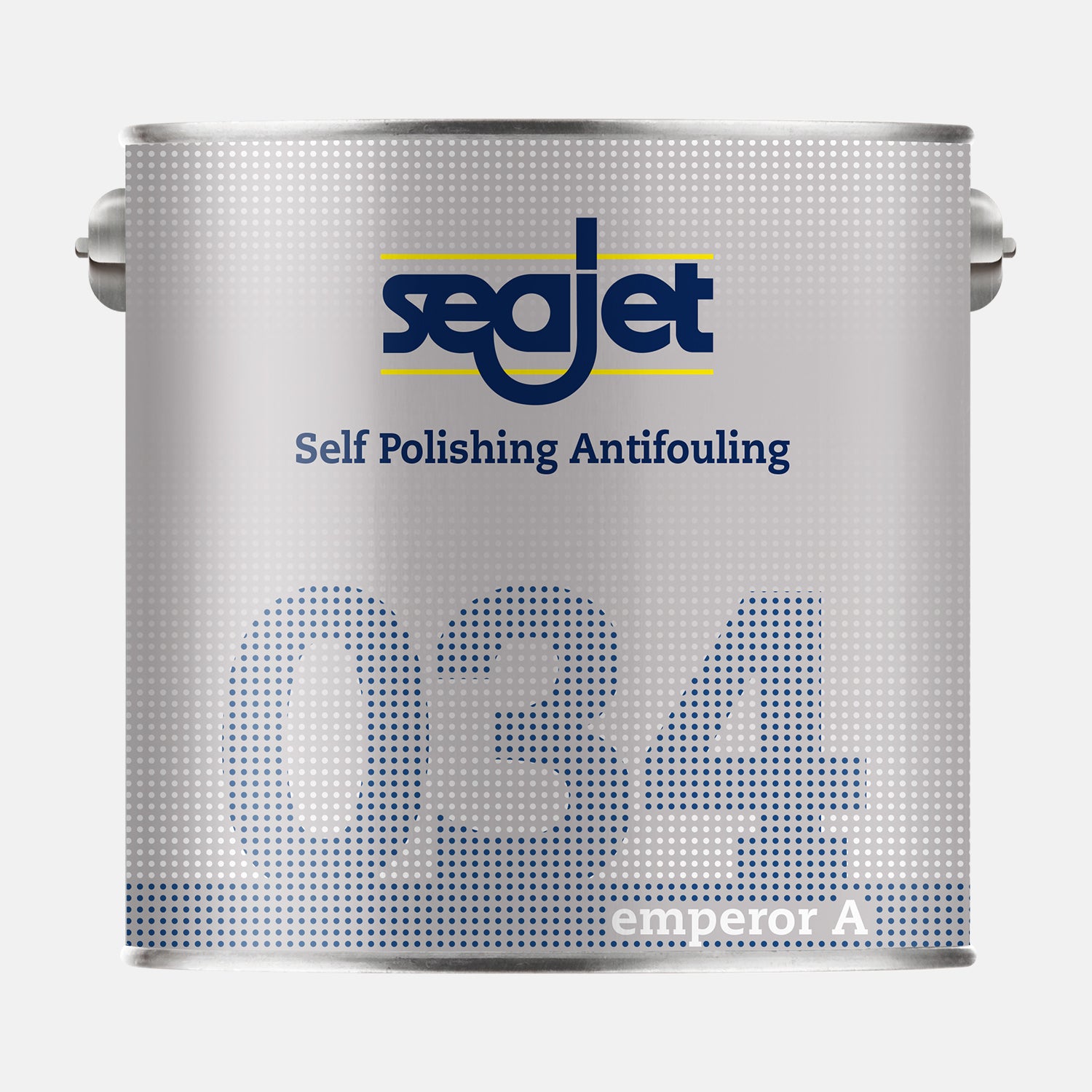
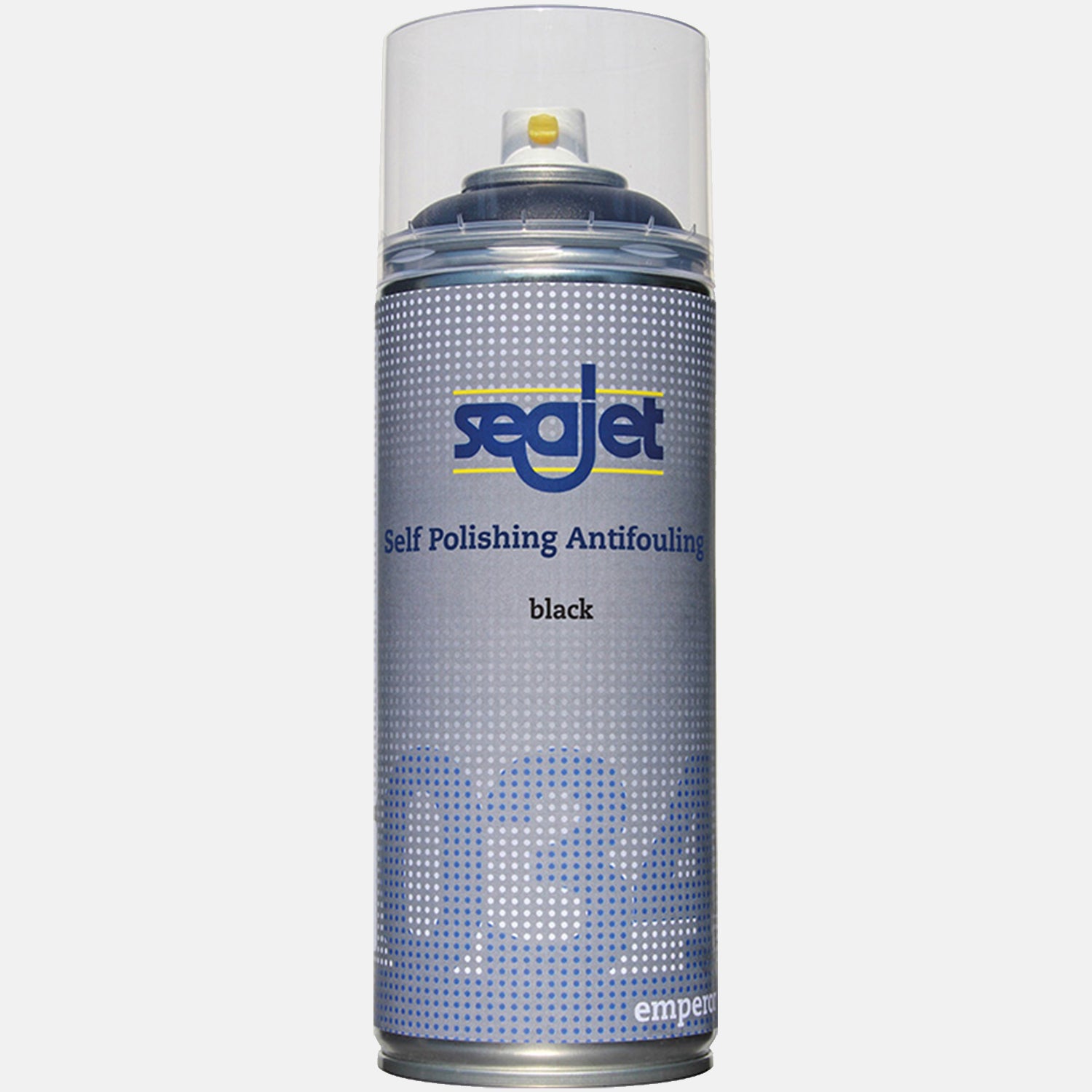
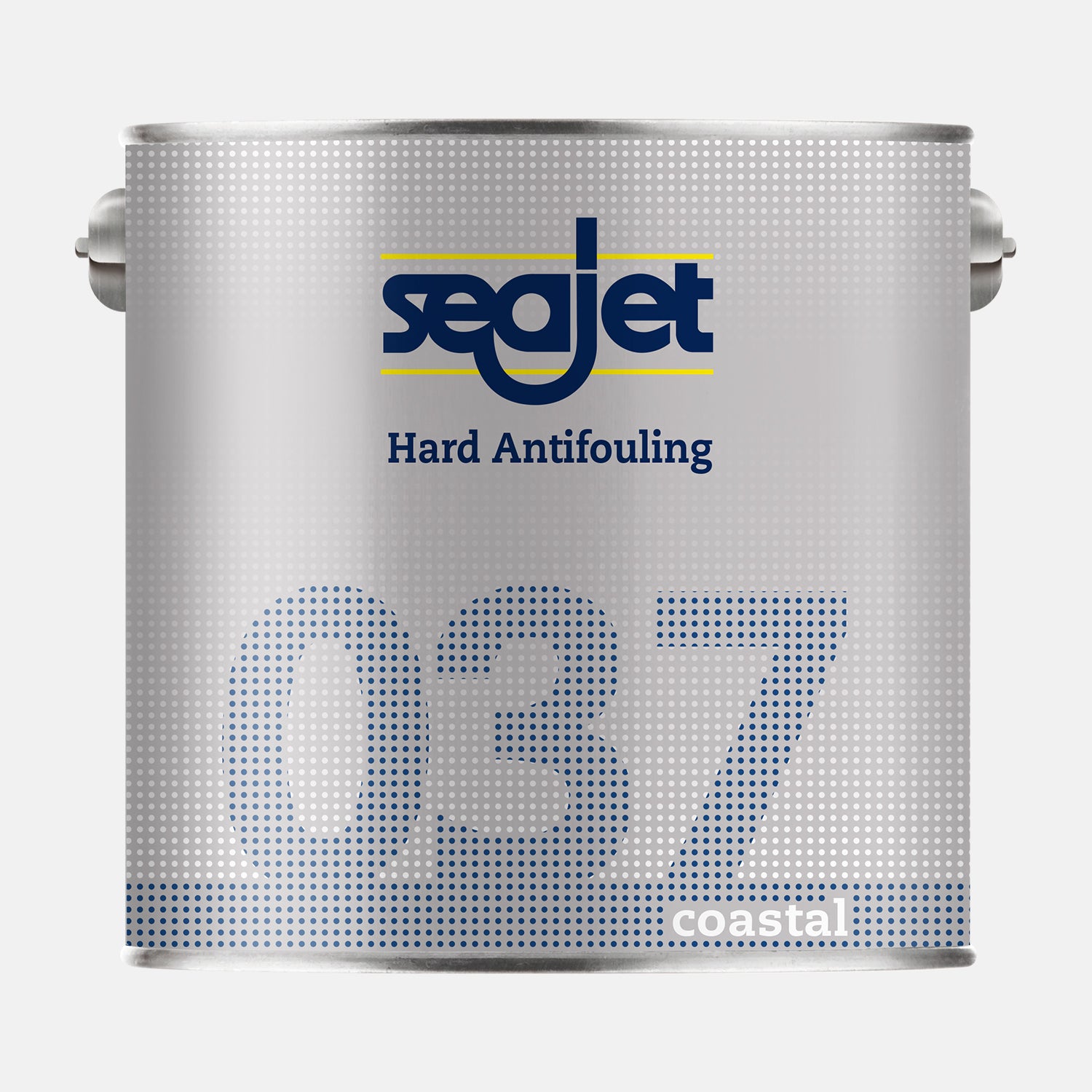
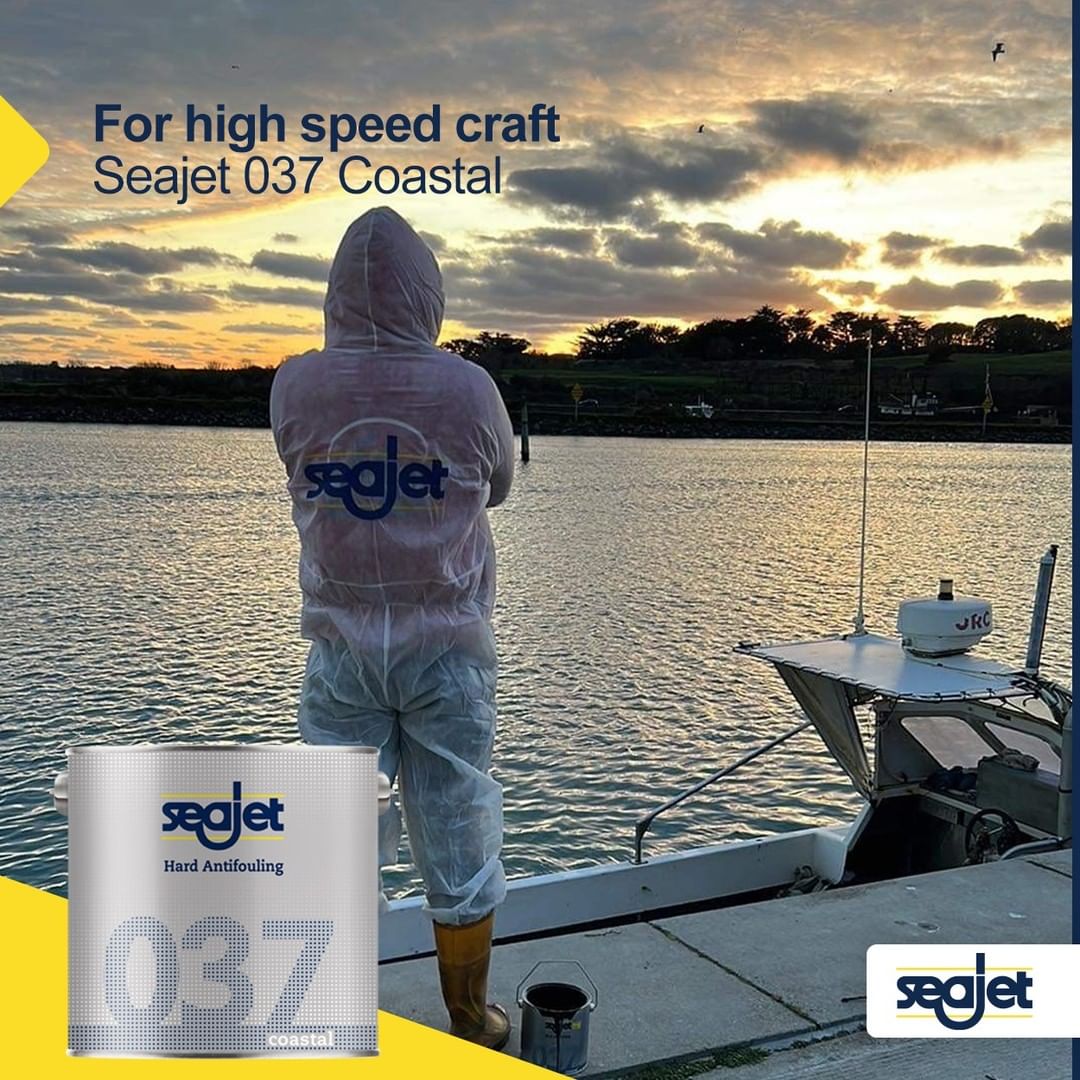


Seajet 021 EKO Biocide-free coating
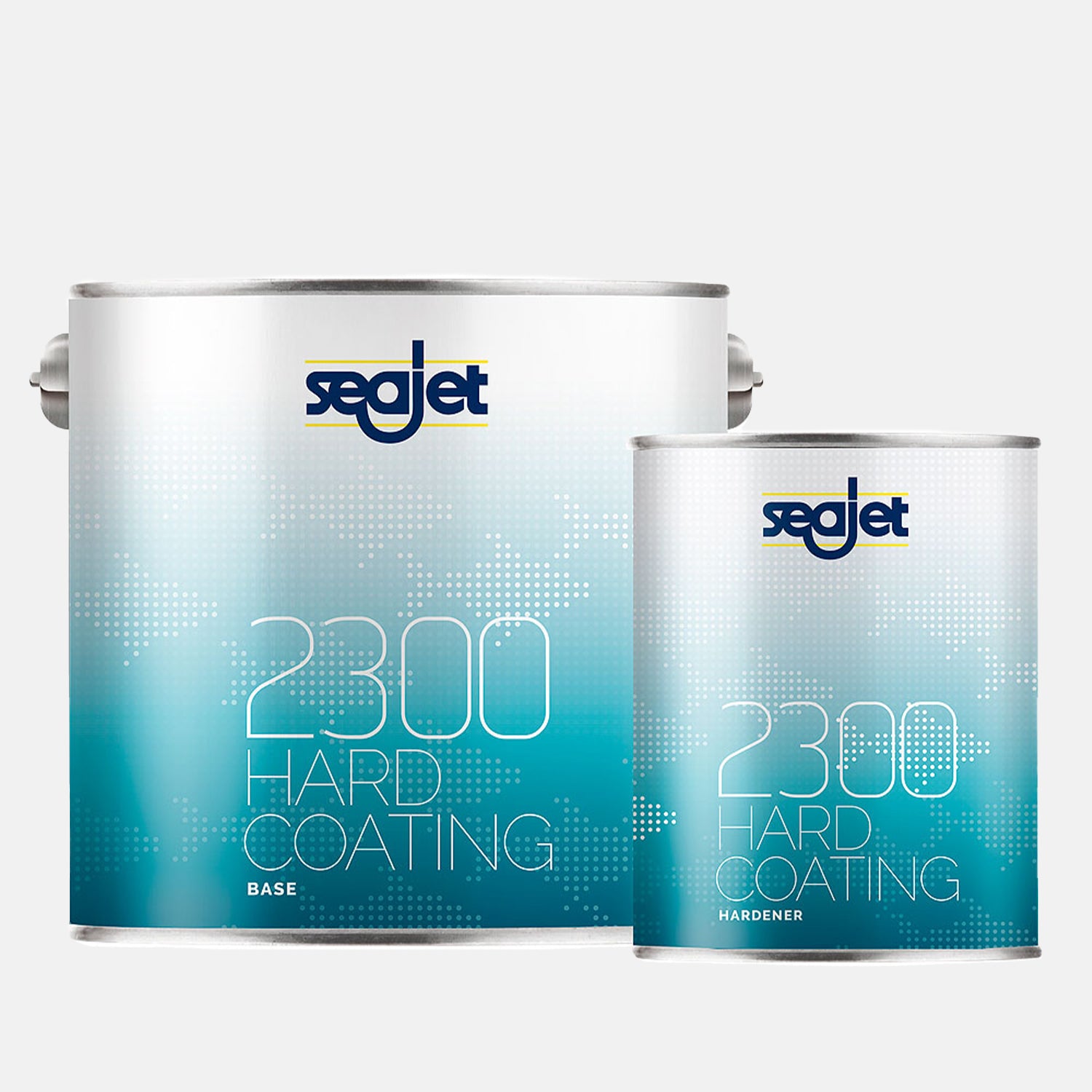

Seajet 2300 Hard Biocide-Free Coating
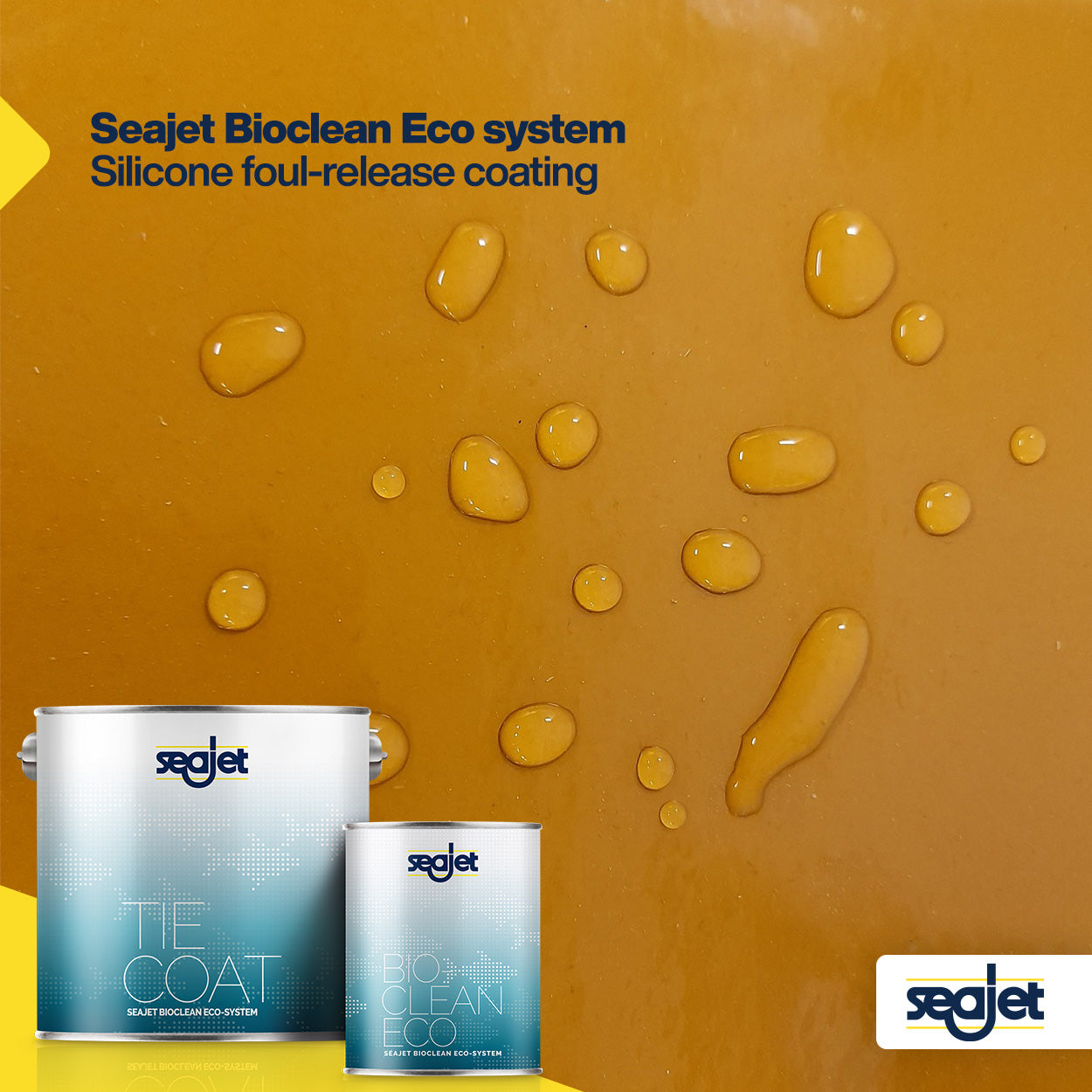
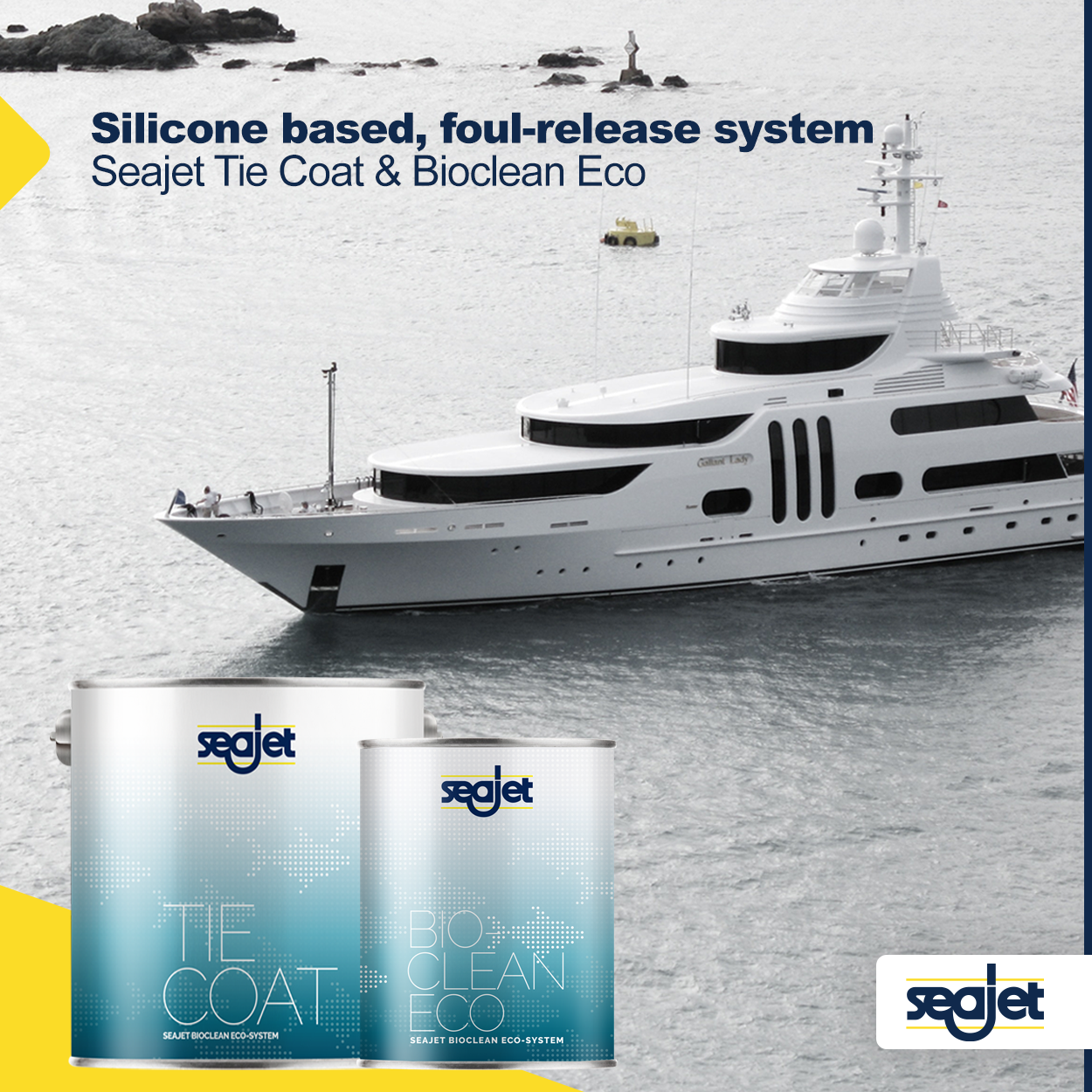

Seajet Bioclean Eco System coating
Select and compare up to four coatings
How do antifoulings differ?
Compare up to four antifoulings directly by price, pack sizes, colours, hull material, area of use, coverage and maximum speed.
The table highlights differences at a glance and complements the configurator's guided recommendation. Before application, also check the current technical data sheet for the selected product.
Antifouling.com – Practical knowledge for underwater coatings
We have worked in the boating industry since 1982 and now run our family business in its third generation. Antifouling.com brings together our experience of surface preparation, primers, antifouling and biocide-free coating systems.
Our range focuses on Seajet products. The correct system still depends on hull material, waters, speed, existing coating and the level of maintenance you prefer.
The configurator organises these details in seven steps and calculates the expected paint requirement. We are available for personal advice on unusual cases or uncertain existing coatings.
Key products for your underwater hull
Antifouling
Antifouling reduces the attachment of algae, shellfish and other fouling below the waterline. Selection depends on hull material, waters, speed, use and the existing coating.
Biocide-free coating
Biocide-free underwater coatings contain no biocidal active substances. Erodible, hard and silicone-based systems differ considerably in coating build-up, cleaning and ongoing maintenance.
Primer
Depending on the product, primers provide adhesion, barrier properties or corrosion protection. The correct primer depends on hull material, the condition and type of the existing coating, and the following coat.